




Online courses have become one of the most powerful ways to teach, share knowledge, build a brand, and generate income. But as the industry grows, so does the gap between courses that truly transform lives and those that simply take up digital shelf space.
In 2026, learners are more selective, more experienced, and more demanding than ever. They can instantly tell the difference between a well-designed course and a poorly designed one, and that difference determines whether they feel motivated, complete the lessons, apply what they learn, and ultimately trust you as a creator.
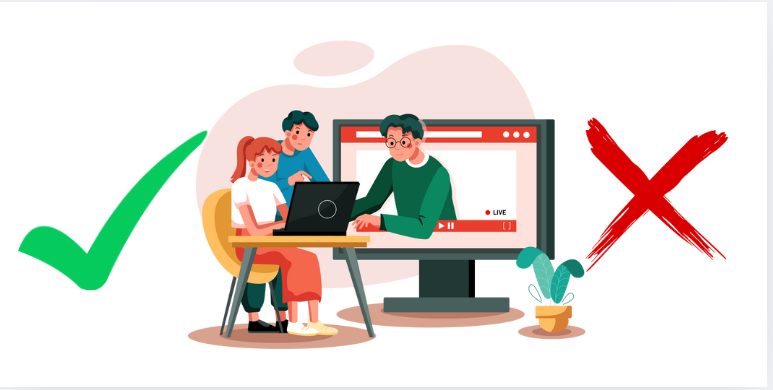
So, what exactly separates a good online course from a bad one? Why do some courses feel effortless, immersive, and inspiring,while others feel confusing, messy, or overwhelming?
In this guide, we break down the key differences between good and bad course design, using clear examples and practical insights to help you create courses your students will love.
Why Course Design Matters in 2026
Learning online has shifted dramatically over the last few years. Students no longer settle for passive videos or chaotic content. They want:
- Clear guidance
- A step-by-step structure
- A sense of progress
- A supportive community
- A transformation, not just information
Good design delivers all of this. Bad design destroys it.
The Stakes Are Higher
With more competition and more educated learners, poor design affects:
- Completion rates
- Student satisfaction
- Refund requests
- Reviews and testimonials
- Repeat customers
- Your long-term brand reputation
Learning Platforms Have Evolved
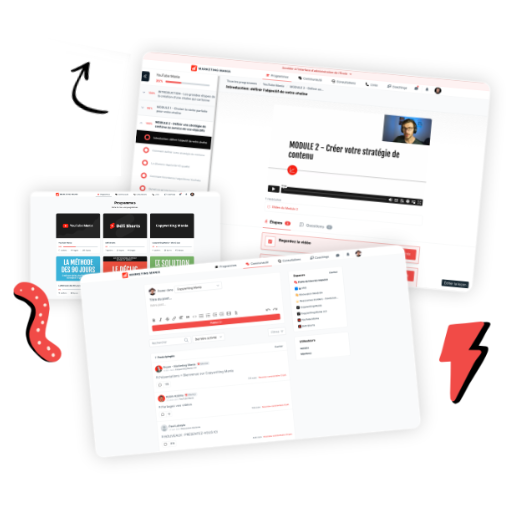
Modern platforms like SchoolMaker, Circle, Skool, Kajabi, and Thinkific give creators advanced tools for engagement, community, and accountability. In 2026, there is no excuse for confusing or outdated course layouts.
Good design isn't just a luxury anymore, it's a necessity.
Good vs Bad Course Design: The Core Differences
Let’s go deeper into the major elements that separate good course design from bad. These principles apply to any niche,business, fitness, language learning, creative skills, coaching, personal development, tech, and more.
1. Clarity of Purpose
What Good Course Design Looks Like
A good course has a clear, specific, and outcome-focused goal. Students know exactly:
- What the course helps them achieve
- Who it’s built for
- What problem it solves
- What skills it teaches
- How their life or work will improve afterward
Example of a strong course promise:
“Build your first profitable content calendar in 30 days, even if you don’t know what to post.”
What Bad Course Design Looks Like
A bad course is vague. It feels like a random collection of tips or opinions.
Example of a weak course promise:
“Learn about content creation.”
Students don’t just want to “learn about” something, they want a transformation.
2. Structure and Organization
Good Course Design
A well-designed course guides students step-by-step through a logical progression.
It includes:
- Clear modules
- Concise lessons
- Smooth transitions
- A path that builds confidence, not confusion
- A beginning, middle, and end
The navigation is intuitive. Students always know:
- Where to start
- What to do next
- How the pieces fit together
Bad Course Design
A poorly designed course feels like a maze.
Common issues include:
- Disorganized modules
- Randomly ordered lessons
- Lessons that repeat the same ideas
- Missing explanations between steps
- Too many branches with no guidance
Bad structure leads to overwhelm,and overwhelmed students quit quickly.
3. Depth and Relevance of Content
Good Course Design
Good courses deliver content that is:
- Relevant
- Practical
- Actionable
- Focused on the promised outcome
Every lesson has a purpose. Nothing feels like filler.
Great courses go beyond theory by including:
- Real examples
- Case studies
- Demonstrations
- Frameworks
- Templates or worksheets
- Practical exercises
Bad Course Design
Bad courses are packed with:
- Rambling explanations
- Unnecessary detail
- Unrelated topics
- Theory with no application
- Overly long videos
- Irrelevant personal stories
- Information overload
In short:
Good courses simplify. Bad courses complicate.
4. Lesson Length and Delivery Style
Good Course Design
Short, digestible lessons win in 2026. Learners prefer:
- 5–15 minute lessons
- Clear takeaways
- Focused content
- One idea per lesson
- Mixed media (video, audio, written summaries)
This approach helps students absorb information without burning out.
Bad Course Design
Bad courses often:
- Drag lessons out unnecessarily
- Cram too many ideas into one video
- Lack focus
- Require students to search for the main point
Students shouldn't have to “hunt” for the lesson,they should be guided through it.
5. Visual and User Experience Design
Good Course Design
The platform looks and feels polished. Good design includes:
- Clean layouts
- Clear fonts
- Pleasant colors
- Easy-to-read text
- Visually organized dashboards
- Smooth mobile compatibility
Students feel energized, not stressed.
Bad Course Design
Examples of poor design are:
- Crowded pages
- Tiny text
- Distracting colors
- Outdated visuals
- Confusing navigation
- Broken links or missing files
Good design builds trust. Bad design destroys credibility instantly.
6. Engagement and Interaction
Good Course Design
Good courses motivate students to take action. They include:
- Quizzes
- Worksheets
- Discussion threads
- Challenges
- Reflections
- Tools and templates
- Community support
The course feels alive and dynamic, not passive or one-sided.
Bad Course Design
Bad courses lack interaction. They are:
- Just videos
- No exercises
- No check-ins
- No community
- No feedback loops
Students are left alone with no sense of connection or accountability.
7. Support and Community
Good Course Design
In 2026, community is one of the strongest differentiators between a great course and an average one.
Good courses include:
- A supportive community
- Areas to ask questions
- Live Q&A sessions
- Group check-ins
- Coaching options
- Social accountability
Students make progress faster when they are not learning in isolation.
Bad Course Design
Bad courses offer:
- No support
- No community
- No feedback
- No human connection
- No motivation boosts
This leaves students feeling stuck and unmotivated.
8. Tools, Templates & Resources
Good Course Design
Great courses provide practical tools that help students implement what they learn. These include:
- Checklists
- Templates
- Action plans
- Swipe files
- Examples
- Worksheets
- Frameworks
These extras help reduce friction and turn learning into doing.
Bad Course Design
A bad course includes:
- No supplementary materials
- Lessons that are purely conceptual
- Tasks that require students to guess
- No clarity around implementation
Students end up confused or unable to apply what they learn.
9. Progress Tracking and Accountability Features
Good Course Design
Good courses help students stay motivated with features like:
- Progress bars
- Badges
- Milestones
- Step-based systems
- Weekly goals
- Completion certificates
These make students feel rewarded as they move forward.
Bad Course Design
Bad courses provide:
- No progress markers
- No incentives
- No acknowledgment of achievements
Students often feel lost or unsure how far they've come.
10. Feedback Loops and Iteration
Good Course Design
Good creators refine their course based on real student feedback. They ask:
- What parts are confusing?
- What lessons are too long or too short?
- Where do students get stuck?
- What content feels missing?
They update regularly and keep the course fresh.
Bad Course Design
Bad creators:
- Upload content once
- Never update anything
- Ignore student questions
- Assume everything is perfect
- Let the content become outdated
A course is a living product, bad design treats it like a one-time task.
11. Alignment Between Promise and Reality
Good Course Design
The best courses deliver exactly what they promise.
If the course says you’ll learn how to:
- lose weight safely
- build a website
- create a marketing strategy
- edit videos professionally
- automate your workflow
…then the lessons guide you to that outcome step-by-step.
Bad Course Design
Bad courses overpromise and underdeliver.
This looks like:
- Big claims
- Little substance
- Missing steps
- No real guidance
- No tools or actionable insights
This is the fastest way to lose trust.
12. Production Quality
Good Course Design
You don’t need Hollywood-level production, but good courses have:
- Clear audio
- Sharp video
- Good lighting
- Clean editing
- Organized slides
- Minimal distractions
Students feel engaged and comfortable.
Bad Course Design
Bad courses suffer from:
- Poor audio quality
- Dark or blurry video
- Distracting backgrounds
- Long, unedited rambles
- Hard-to-read slides
It’s not about being perfect; it’s about being professional.
13. Simplicity vs Complexity
Good Course Design
Good design simplifies complex topics. Students feel empowered, not intimidated.
Creators break down tasks into:
- Simple steps
- Clear instructions
- Actionable tasks
- Real-life examples
Bad Course Design
Bad design complicates simple topics.
Creators:
- Ramble
- Overteach
- Add unnecessary details
- Go off-topic
- Leave out crucial steps
Complexity kills student confidence.
14. Student-Centered vs Creator-Centered Design
Good Course Design
Good courses are built around student needs. Every decision is based on:
- What the learner wants
- How they learn best
- What will help them succeed
- Where they may get stuck
Bad Course Design
Bad courses are built around the creator’s preferences:
- “This is how I like teaching.”
- “I’ll talk about whatever I want.”
- “I don’t need structure.”
- “They’ll figure it out.”
Good teaching is about the student, not the instructor.
Conclusion
Good online course design is not about perfection, it’s about intention. It’s about creating a clear, supportive, engaging pathway that helps your students achieve a transformation.
To summarize:
Good course design is
- Clear
- Organized
- Outcome-focused
- Supportive
- Engaging
- Practical
- Easy to navigate
- Student-centered
Bad course design is
- Confusing
- Unstructured
- Overwhelming
- Passive
- Disconnected
- Outdated
- Random
- Creator-centered
When you design with purpose, students learn faster, stay engaged longer, and trust you more deeply. And in 2026, where the online learning space is more competitive than ever, that trust is your biggest advantage.


