





Online education isn’t just about videos, modules, and worksheets, it’s about connection. Learners today want more than content, they want belonging, they want support, they want a place to ask questions, share wins, and grow with others on the same journey.
That’s why building a community around your online course has become one of the most powerful ways to increase engagement, improve course completion rates, and create a memorable learning experience that students will want to return to again and again.
In this guide, you’ll learn exactly how to build a thriving community around your online course, even if you’ve never run a community before. We’ll cover the best platforms, community-building strategies, engagement ideas, and the psychology behind what makes people stay active.
Why Community Is Essential for Course Success
The online course industry has changed dramatically. Students expect interaction, not isolation.
Community Drives Higher Completion Rates
Most learners drop off when left to navigate a course alone. But when they feel part of something bigger, they stay motivated.
Community Increases Trust and Connection
Your students aren’t just buying information, they’re buying access to you and a network of peers.
Community Enhances the Learning Experience
Discussion, collaboration, and accountability transform passive learning into active learning.
Community Builds Brand Loyalty
Members of strong communities are far more likely to:
- Recommend your course
- Join your next program
- Become long-term customers
Community Is Now a Standard Feature
Modern platforms have made community integration easier than ever. In 2026, courses without communities often feel incomplete.
Understanding the Core Elements of a Strong Community
Before building your community, you need to understand what makes a great one. The world’s best course communities share these qualities:
1. A Clear Purpose
Members join because they want something specific, a skill, a transformation, or support on a path.
2. A Shared Identity
Great communities help people feel like they belong to a group that shares their goals, challenges, or values.
3. Engagement Opportunities
People stay active when they have reasons to participate.
4. Support and Accountability
Members should feel seen, heard, and encouraged.
5. Consistent Leadership
Communities thrive when the creator shows up consistently, either personally or through community managers.
6. A Safe, Welcoming Atmosphere
People participate more when they feel comfortable sharing their challenges and progress.
With these foundations in mind, let’s explore how to build a thriving online course community step-by-step.
Step 1: Choose the Right Community Platform
Your platform choice will shape the entire experience. In 2026, there are several strong options designed specifically for course communities.
SchoolMaker
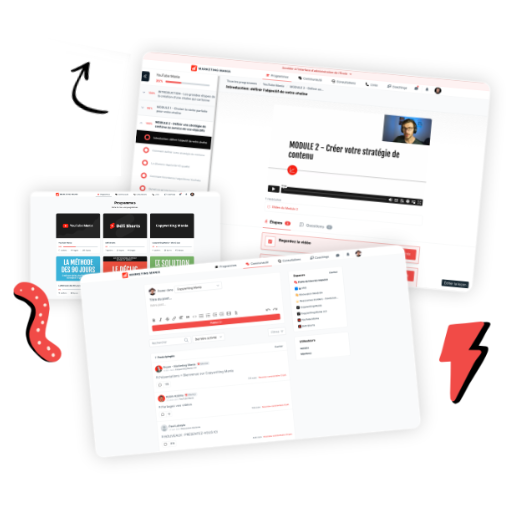
SchoolMaker is one of the best platforms for hybrid courses that combine video lessons with community engagement. It includes:
- Step-based learning
- Built-in community
- Support tools
- Coaching features
Perfect for transformation-focused courses.
Circle
Circle is a clean, modern community-first platform that integrates courses and discussions seamlessly.
Skool
Skool is known for its gamification: levels, points, leaderboards, and addictive community features.
Mighty Networks
Mighty Networks is ideal for large, multi-layered communities with events, courses, and group segments.
Kajabi Communities
Great if you already use Kajabi for your website or email marketing.
Facebook Groups (Still Used, But Declining)
Useful for broad audiences but limited in structure and branding.
Discord or Slack
More popular for tech, startup, and coding communities, but less ideal for general course creators.
Your ideal platform depends on your teaching style, but the platforms above offer the best community experience in 2026.
Step 2: Define the Purpose and Identity of Your Community
Communities don’t grow because you “created one.” They grow because people feel like they belong to a focused mission.
What Is the Purpose of Your Community?
Ask yourself:
- Why does this community exist?
- What do members want to achieve?
- How will belonging support their journey?
Create a Community Identity
In 2026, strong course communities have names, themes, or identities such as:
- The Content Creator Hub
- The Beginner Programmer Circle
- Health Transformers Club
- AI Mastery Collective
A clear identity instantly makes people feel like they’re part of something meaningful.
Step 3: Set Up the Structure of Your Community
Your community should be organized, easy to use, and aligned with your course.
Create Community Spaces Based on Needs
Examples:
- Introductions
- Wins & progress
- Questions & answers
- Weekly challenges
- Resource library
- Accountability threads
Make Each Space Clear and Purposeful
Avoid clutter. Too many channels confuse people.
Integrate the Community Directly Into Your Course
Communities work best when they support the course content, not sit separately from it.
Step 4: Design an Onboarding Experience That Builds Excitement
The first week determines whether a student becomes active or disappears.
Welcome Them Properly
Send:
- A warm welcome message
- Instructions on getting started
- Links to key spaces
- A brief video or voice note
- A community intro question
Assign an Action for Week One
Examples:
- Share your goals
- Complete the first lesson
- Post your first win
- Introduce yourself
Celebrate Their Arrival
Tag new members, welcome them publicly, and make them feel seen.
Step 5: Create Daily and Weekly Engagement Rituals
Communities become strong when they have routine engagement points.
Daily Engagement Ideas
- Daily Q&A thread
- Daily reflection or prompt
- A 60-second tip of the day
- Motivation message
- Quick challenge
Weekly Engagement Ideas
- Weekly wins
- Progress check-in
- Office hours
- Live Q&A
- Weekly theme challenges
- Goal-setting session
- Feedback Friday
Monthly Engagement Ideas
- Masterclasses
- Guest expert workshops
- Group challenges
- Certification pathways
- Live celebrations
Routines build predictability, people know what to expect and look forward to showing up.
Step 6: Encourage Peer-to-Peer Interaction
The best communities aren’t creator-centered, they’re peer-driven.
How to Encourage Peer Support
- Ask members to answer questions before you do
- Assign accountability partners
- Create group projects
- Host peer coaching sessions
- Run small mastermind circles
Why This Works
People learn faster when they teach others.
And when peers support each other, the community becomes self-sustaining.
Step 7: Create Special Roles and Community Hierarchies
Humans love status, recognition, and leadership opportunities.
Give Community Roles
Examples:
- Community ambassadors
- Accountability leaders
- Moderators
- Welcome team
- Topic experts
Gamify Participation
Platforms like Skool and SchoolMaker excel here.
Benefits of gamification:
- Motivation increases
- Engagement rises
- Members feel rewarded
- Completion rates skyrocket
Celebrate Milestones
Acknowledge:
- Lesson completion
- Course progress
- Participation streaks
- Sharing wins
Recognition is a powerful driver.
Step 8: Offer Support and Guidance (Without Burning Out)
Community support is powerful, but only if done sustainably.
Use a Structured Support System
Examples:
- Weekly Q&A sessions
- A dedicated “Ask for Help” space
- Office hours
- Recorded walkthroughs
Batch Your Responses
Set hours or days where you respond to questions.
Encourage Student-Led Support
Not every question needs a creator answer.
Peer answers can be equally, or more, helpful.
Step 9: Integrate the Community Into the Course Design
The course and community should not feel separate.
Tie Community Activity to Course Lessons
Examples:
- After Lesson 1; Share your goals
- After Lesson 2; Upload your project
- After Lesson 3; Ask one question
- After Lesson 4; Share a win
Include Community Assignments
These increase action and accountability.
Use the Community for Feedback
Ask members for:
- Screenshots
- Progress updates
- Draft submissions
- Practice work
Students love having a place to show their progress.
Step 10: Create Transformational Events and Experiences
The strongest course communities run immersive events.
Host Live Workshops
Monthly or bi-weekly, based on member needs.
Run Group Challenges
Examples:
- 14-Day Productivity Challenge
- 30-Day Content Sprint
- 7-Day Writing Challenge
Organize Expert Sessions
Bring in:
- Industry experts
- Successful alumni
- Specialists
Create “Learning Paths”
Step-by-step community challenges that guide people through course milestones.
These events create energy, excitement, and renewed motivation.
Step 11: Keep Your Community Safe and Supportive
A great community feels warm and welcoming.
Set Clear Community Guidelines
Define:
- What behavior is encouraged
- What behavior is not acceptable
- Rules for posting
- Rules for asking questions
Be Consistent With Moderation
Remove:
- Spam
- Negativity
- Disrespect
- Off-topic promotions
Lead With Empathy
A safe environment encourages participation.
Step 12: Measure Community Success
You can’t improve what you don’t measure.
Key Metrics to Track
- Active members per week
- Post engagement
- Lesson completion rates
- Community participation
- Event attendance
- Repeat customers
- Member retention
- Testimonials generated
Use Feedback to Improve
Survey members regularly:
- What do you love most about the community?
- What would you like more of?
- What feels confusing?
This feedback helps you improve your course and community continuously.
Step 13: Make Your Community Unforgettable
The strongest course communities become part of someone’s identity.
Build a Unique Culture
Use:
- Catchphrases
- Inside jokes
- Community traditions
Give Students Opportunities to Grow
Examples:
- Student spotlights
- Feature member success stories
- Let advanced students teach mini-sessions
Create Long-Term Belonging
Offer:
- Alumni communities
- Graduated levels
- Mastermind programs
- Ongoing membership options
When people feel part of a shared mission, they stay engaged long-term.
Conclusion
Building a community around an online course is one of the smartest decisions you can make now. A strong community transforms your course from a collection of videos into a living, breathing learning experience that inspires action, builds accountability, and accelerates student success.
A great community:
- Boosts engagement
- Increases course completion rates
- Deepens student loyalty
- Helps learners achieve real results
- Elevates your brand
- Creates long-term repeat customers
Community is no longer an “extra feature”, it’s the heart of modern online learning.


